Prasad Bhosale
Founder and editor
A developer rather than a teacher. I started making these worksheets for my own four year old and put them online when they turned out to work.
I am a developer. PrintKoala is not my job and was never a business plan — it started as a folder of worksheets I made for my daughter, who is four.
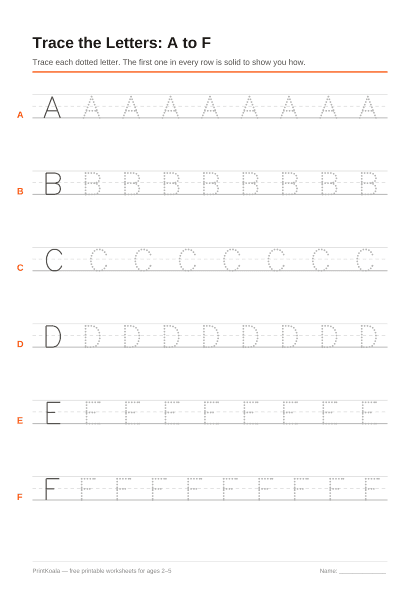
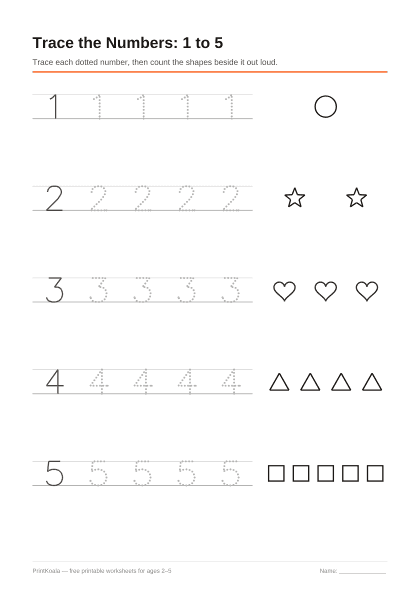
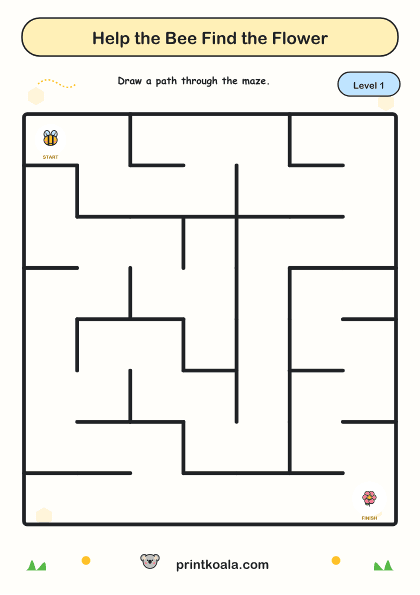
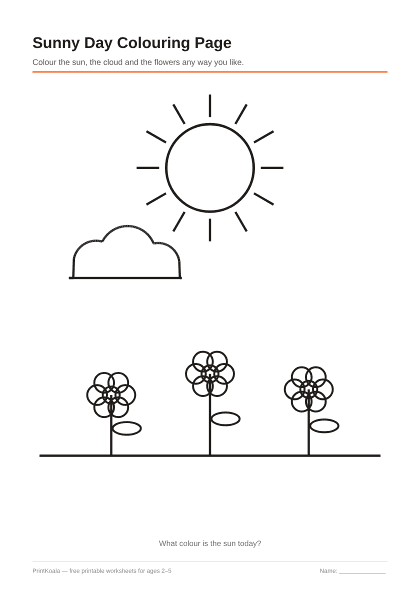
It exists because I kept not finding what I wanted. Sheets labeled for toddlers that asked her to write inside boxes she had no chance of hitting. Coloring pages with outlines so fine that her best effort looked like a failure. So I made my own, sized for what she could actually do, and when those worked I made more. The online coloring came from the same place: some days she wanted to color on a screen, and there was no good reason to stop her.
Publishing them was an afterthought rather than a plan. If they were useful for one four year old, they were probably useful for someone else's.
What I am not
I am not a teacher and I am not a designer.
I did some teaching early in my career, and I suspect that is where whatever instinct I have for pitching a sheet at the right level comes from. But that was a while ago and in a different context, and I would rather say so plainly than leave it sitting there looking like a qualification.
What that means in practice is worth being clear about. The age ranges on this site are considered judgments from someone who has watched one child closely and read a fair amount — they are not clinical assessments, and they are the thing most likely to be wrong. If a sheet is pitched wrong for your child, the sheet is far more likely to be at fault than the child, and I would genuinely like to hear about it.
How the worksheets are made, tested and age-rated is set out in the editorial policy.
Guides by Prasad
How Long a Small Child Can Actually Concentrate
What is typical at two, three, four and five, the stages attention moves through, and why the same child concentrates beautifully at preschool and not at all at home.
Teaching Shapes and Colors in the Right Order
Match, sort, point, then name — and why a child shown only one kind of triangle has learned a picture rather than a shape.
What School Readiness Actually Means
Ask a kindergarten teacher what they wish children arrived able to do and almost nothing on the list is academic. What to spend the year before school on.
Sounds Before Letters
Reading is built on sound, not on letter names. Why the alphabet is the wrong place to start, and what to do for the year before it.
A Workable Week, from Two to Five
How often, for how long, and what fills the rest of the time — a practical weekly rhythm for each year, where the printable part is deliberately the smallest part.
Choosing Crayons and Pencils for Small Hands
Short beats fat, pressure matters more than grip, and the most effective thing you can do costs nothing: break the crayons in half.
Left-Handed Children and Early Writing
Most of the difficulty left-handed children have with writing is equipment and setup designed for someone else. Nearly all of it is fixable in an afternoon.
Scissor Skills, Age by Age
Cutting develops in a predictable order and does more for handwriting than most worksheets. What to expect at each stage, and the setup that makes it possible.
Counting Is Not the Same as Understanding Numbers
A child reciting to twenty has learned a rhyme. The understanding underneath arrives later, in five separate pieces — and knowing which is which saves a lot of worry.
Using Worksheets Without Pressure
The difference between ten minutes that helps and ten minutes that teaches a child paper means being tested — almost none of which is about the sheet.
What Has to Come Before Tracing
Tracing asks a child to do four things at once. How to build each of them first, and how to tell when a child is actually ready.
Pencil Grip by Age, and When to Leave It Alone
How a grip develops between two and five, which problems are worth fixing, and why correcting too early is the most reliable way to make a child dislike drawing.
Twelve Screen-Free Activities for 3 Year Olds
Simple things to do with a three year old that need no preparation and no screen — most using what is already in your kitchen.
The Order to Teach Letter Formation
Why alphabetical order is the worst way to teach writing, and what to do instead.