🍎 Fruits
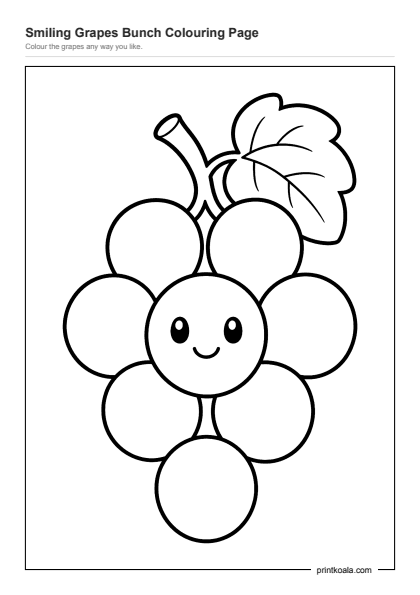
Smiling Grapes Bunch Coloring Page
Ages 2–439
At two, the goal is not writing — it is grip, curiosity and time spent together at the table. These pages use thick lines, single large shapes and plenty of empty space, so a toddler holding a crayon in a full-fist grip can still succeed. Expect scribbling over the lines, and treat that as the point rather than a mistake.
Children vary enormously at this age and these are averages, not targets. If a sheet is frustrating, try one from a simpler subject like coloring instead.
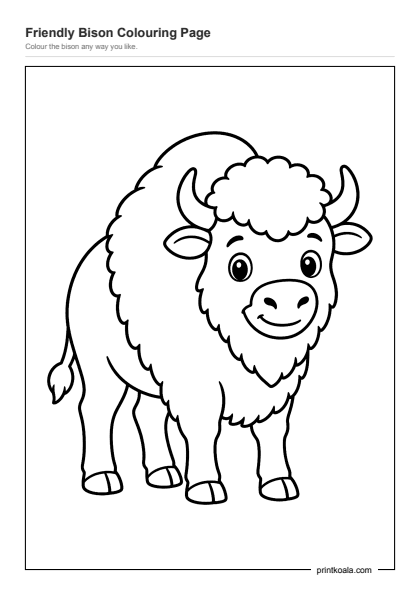
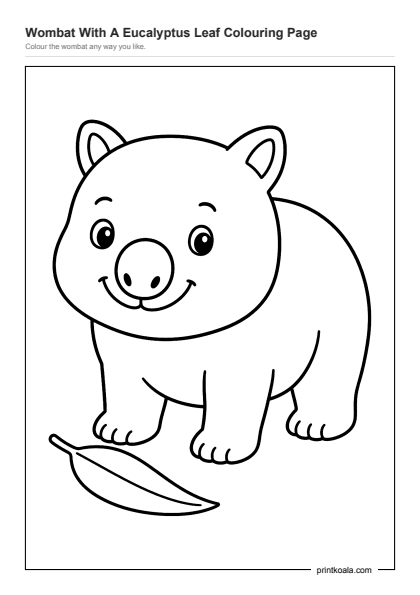
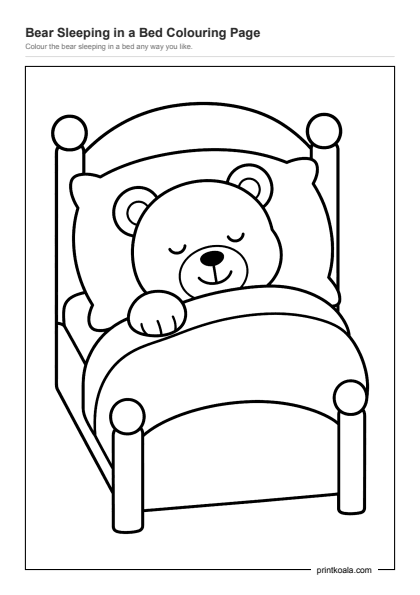
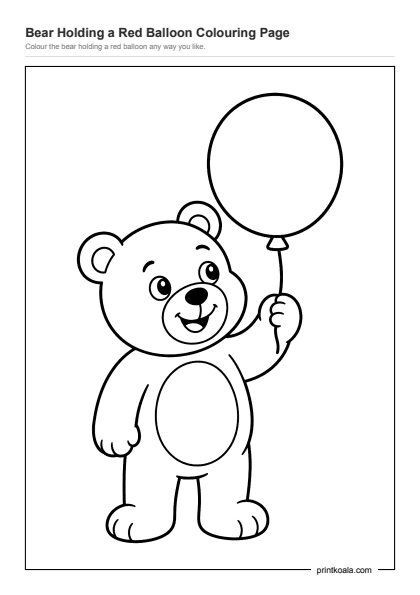
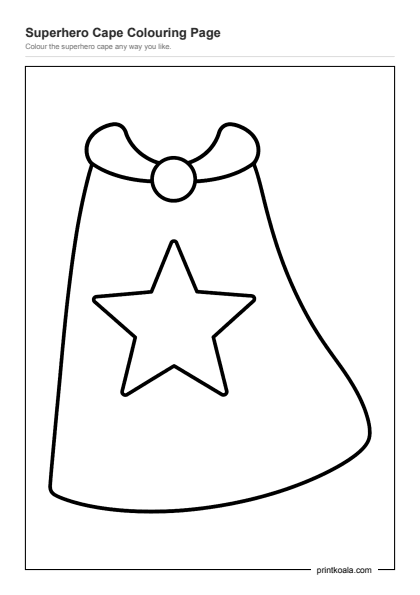
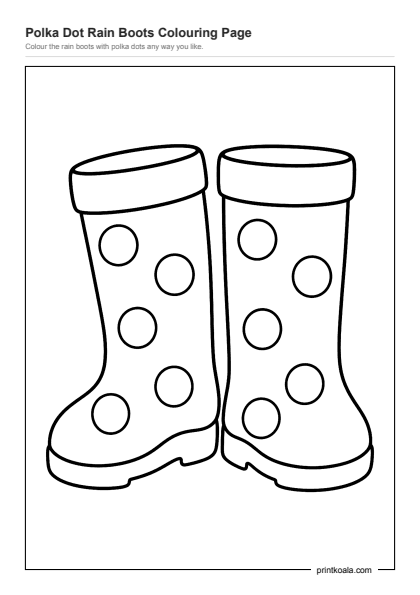
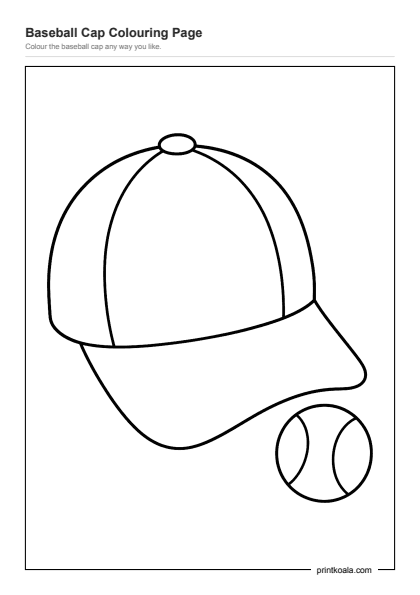
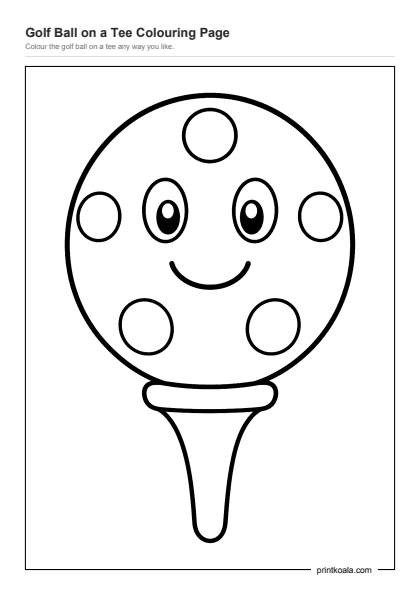
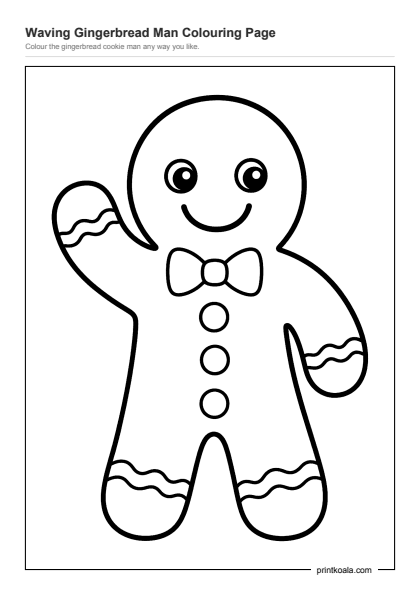
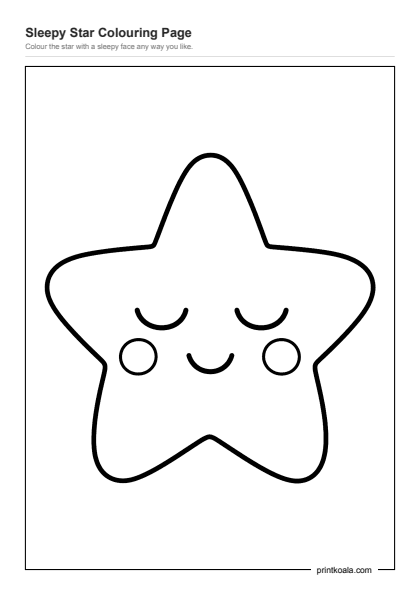
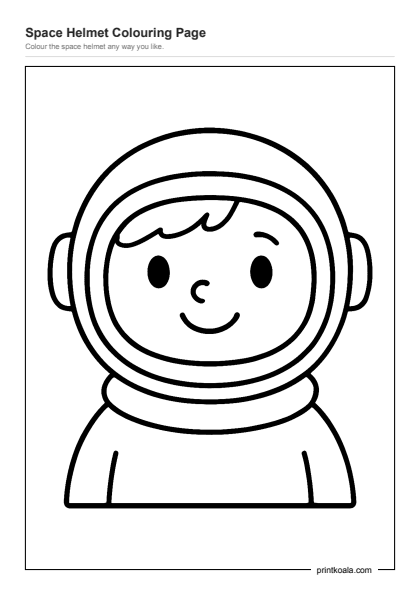
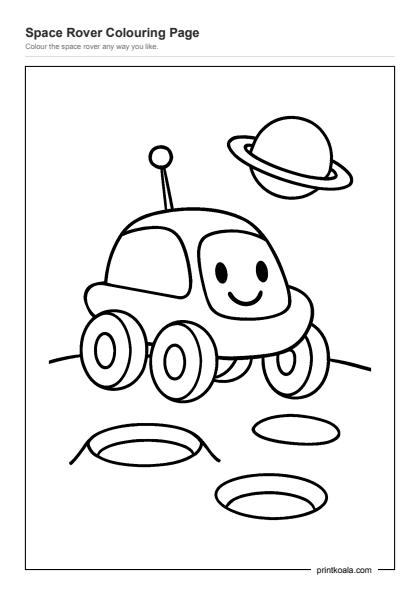
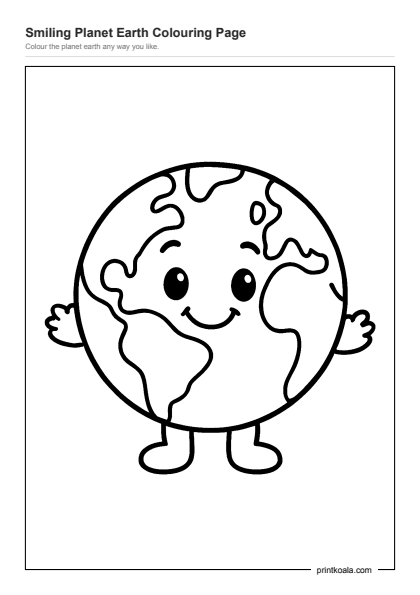
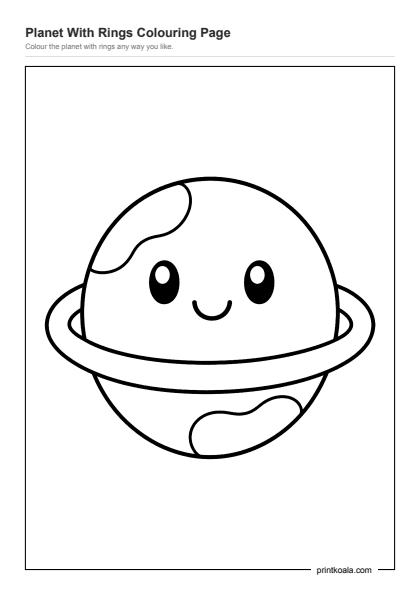
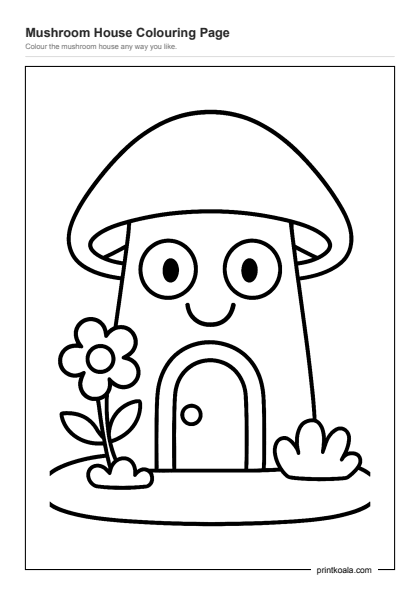
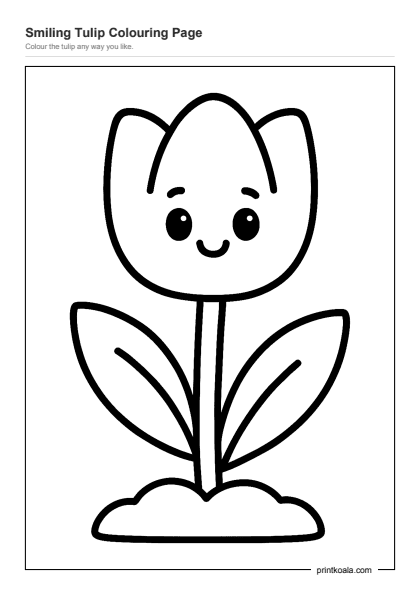
A two year old holds a crayon in a full fist, with the point coming out of the bottom of their hand, and draws using the whole arm from the shoulder. The wrist barely moves. That is not a bad grip to be corrected — it is the normal grip for the age, and it is why the marks come out as broad sweeps rather than lines that go where they were aimed.
What they can do: cover a page, make a mark on purpose, copy a vertical line if you draw one first and make it fun, and tell you what they have drawn afterwards even if it changes twice while they are telling you. What they cannot do yet: stay inside an outline, stop at a boundary, hold the paper still with one hand while the other draws, or keep going for more than a few minutes.
A worksheet at this age is not a test of any of that. It is a picture large enough to be worth filling, printed on paper that does not matter, at a table where somebody is sitting next to them.
Most things sold as worksheets for two year olds are worksheets for four year olds with a younger number on the cover. Dotted-line letter tracing, counting to twenty, cutting along a curve — those are real skills and they arrive later. Handing them over early produces a sheet the child cannot do and an adult quietly disappointed about it, which is the worst possible introduction to sitting down at a table with paper.
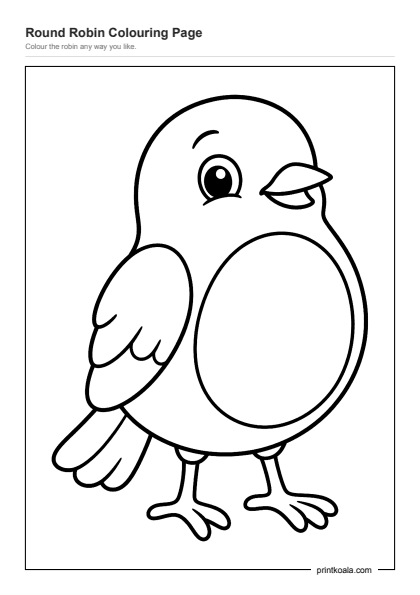
The version that works at two is a single large object with a thick closed outline and a lot of empty space inside it. One cow. One boat. One apple. The child fills it, mostly, and goes over the edges, and the picture still looks like a cow at the end because the outline is heavy enough to survive being scribbled across.
That is the whole design brief, and it is why the sheets on this page look simpler than the ones on the pages for older children. The simplicity is the feature.
Three to five minutes is a normal, healthy attention span for a two year old at a table. Ten is a good day. If you have been going twelve minutes and it is still working, that is unusual and worth enjoying, but it is not the target and it is not a sign of anything.
Stop before it stops working, not after. The moment to put the crayons away is when the child is still enjoying it and you can end on a finished picture and a bit of praise. Pushing through the wobble to get the page completed teaches a two year old that this activity ends badly, and they remember that next time the paper comes out.
Nothing here needs to be finished. A pumpkin with one leaf colored in is a completed session if the child chose to stop there. Keep it, put it on the fridge, and print another one tomorrow — they cost nothing.
Short, thick crayons. A broken crayon stub is genuinely better than a long new one, because a two year old cannot get a fist around a long crayon without it wobbling. Chunky triangular crayons are sold for this reason and they do help, but a snapped-in-half normal crayon does the same job for nothing.
Tape the paper down. A sheet that slides is the single most common cause of a two year old giving up, because they do not yet have the hand-steadies-the-page habit. A loop of masking tape at each corner removes the problem entirely.
Sit next to them and color your own sheet. Two year olds learn this by copying somebody doing it, not by being instructed. You do not need to teach anything — just fill in your own picture at your own pace and let them watch what a hand doing this looks like.
And skip the pencil. Pencils need pressure that a two year old cannot control and produce a faint line that is not worth the effort. Crayons, chunky felt tips and chalk all give an immediate bold mark, which is the reward that keeps them going.
Children vary enormously and the boundaries here are soft. If these sheets are too easy or too hard, the neighbouring pages are the place to look.