🚗 Vehicles & Transportation
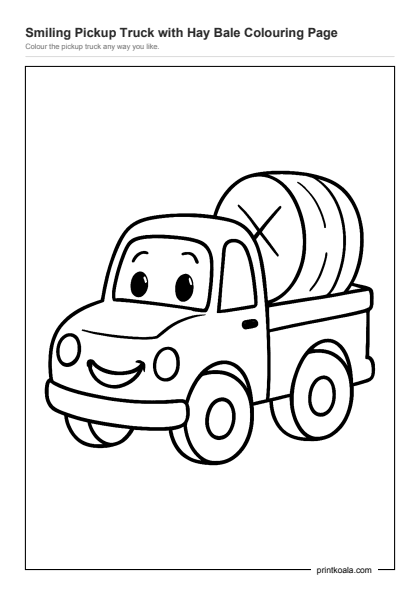
Smiling Pickup Truck with Hay Bale Coloring Page
Ages 2–55
By five, most children are ready for the kind of sheet that looks like real school work: lowercase letters, beginning sounds, simple addition within five, and patterns to complete. These pages are the bridge between preschool play and the first year of formal schooling.
Children vary enormously at this age and these are averages, not targets. If a sheet is frustrating, try one from Age 4 instead.
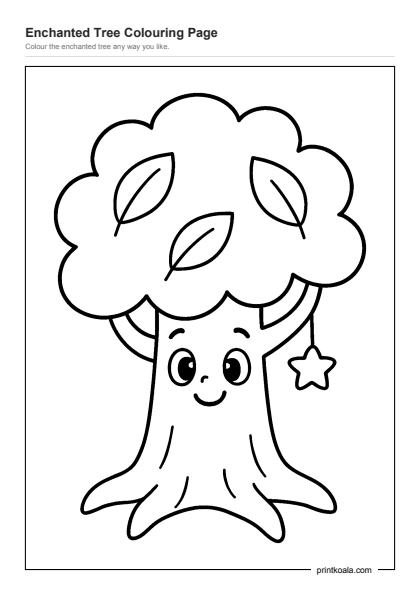
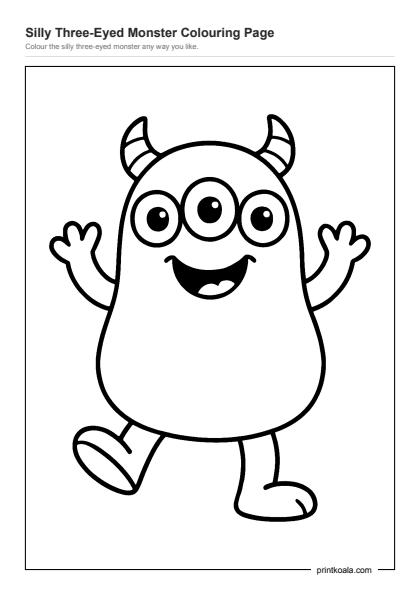
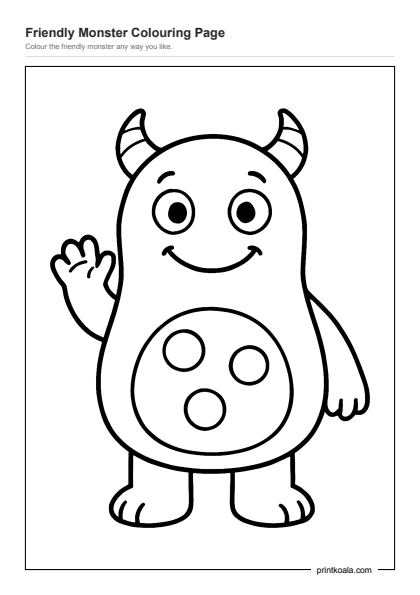
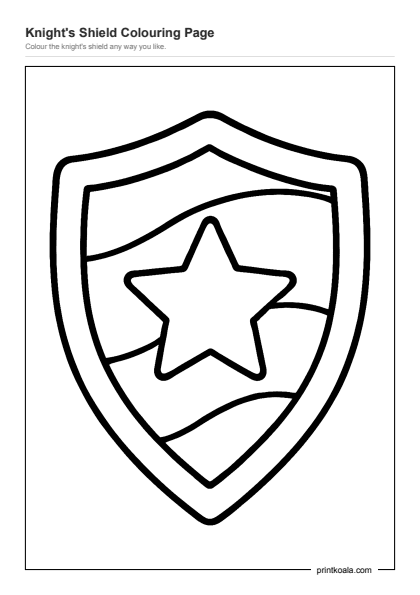
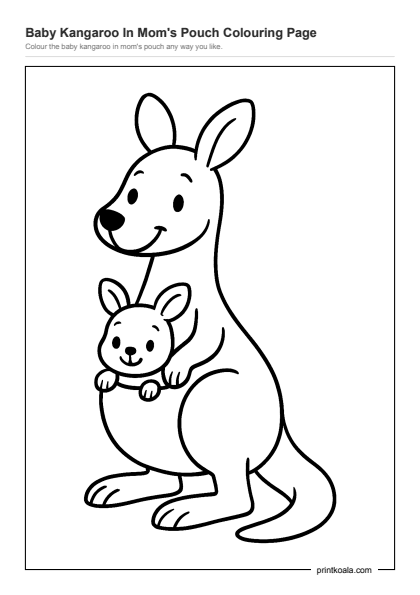
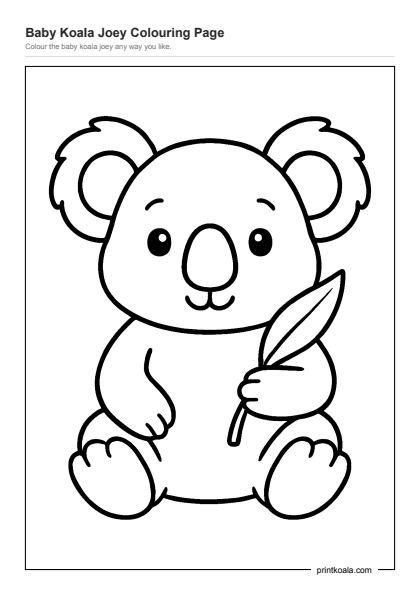
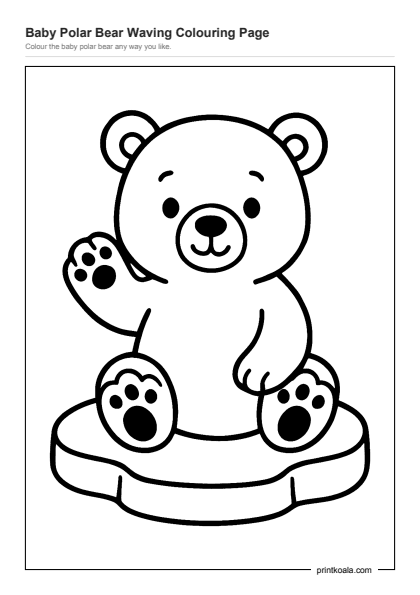
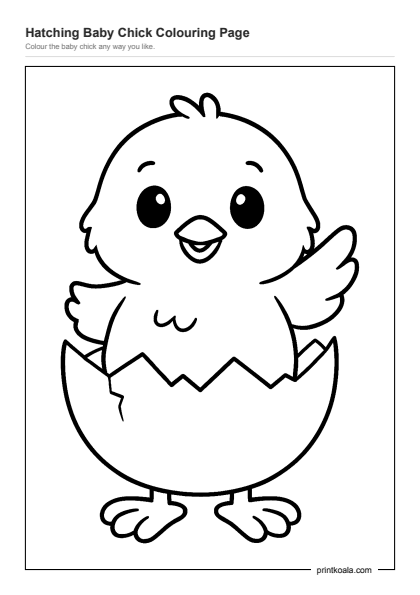
Five is the year the work starts to look like school work, and the year it stops being obvious how much of it to do. A child at five may be about to start formal schooling, may have started already, or may be at home for another year — and the right amount of table work is genuinely different in each case.
The honest position: nothing on this page is required. Children who arrive at school unable to write a letter catch up within a term, and there is no long-run advantage to having done it early. What does carry forward is whether a child thinks of paper and pencils as something they enjoy or something they are tested on, and that is decided now.
So the sheets here are pitched as things worth doing rather than things to get through. If a child at five would rather draw their own picture on the back of the sheet, that is not the activity failing.
Lowercase is the real work of this year, and it is harder than capitals for two reasons. The letters need loops and changes of direction inside a single stroke, and for the first time position on the line matters: a, c and e sit between the lines, b and h reach up, and g, p and y drop below. A child who writes every letter the same height is not making a mistake so much as not yet knowing there is a rule.
This is what the guide lines on a handwriting sheet are for, and it is why printing at 100% scale matters more here than anywhere else on the site. A sheet shrunk to 94% to fit the printable area moves the baseline and midline closer together, and the distance between them is precisely the information the sheet is trying to convey.
Expect letter size to be inconsistent for a long while. Consistency arrives around six or seven and cannot be usefully hurried.
A five year old who can recite the alphabet knows twenty-six names. Reading needs the sounds, and the two are different: the letter called "aitch" makes the sound "h". Children who learn names first often have to work past them, which is why most phonics programs lead with sounds.
The useful game at this age is the beginning sound. What does "sun" start with? What else starts like that? A child who can hear the first sound in a spoken word has the skill that reading is built on, and it can be practised in the car with no materials at all.
Worksheets help with the letter-to-sound mapping once the hearing part is in place. They do not do much before it, which is worth knowing if a sound-matching sheet is going badly.
Addition within five, using pictures rather than symbols, is the right level. Three apples and two apples, count them all, five. The equals sign and the plus sign can come later — the concept is what matters, and a child who understands combining will pick up the notation in an afternoon.
Patterns are underrated and worth more time than they usually get. Continuing red-blue-red-blue, then red-red-blue-red-red-blue, is early algebra: the child is identifying a rule and applying it forward. It predicts later maths achievement better than counting fluency does.
Comparison too — more, fewer, the same, and putting three things in order by size. These are the ideas the whole of primary maths sits on, and they need no worksheets at all if there is a stack of blocks in the house.
Children vary enormously and the boundaries here are soft. If these sheets are too easy or too hard, the neighbouring pages are the place to look.