🔢 Numbers & Counting
Trace Number 10
Ages 4–514
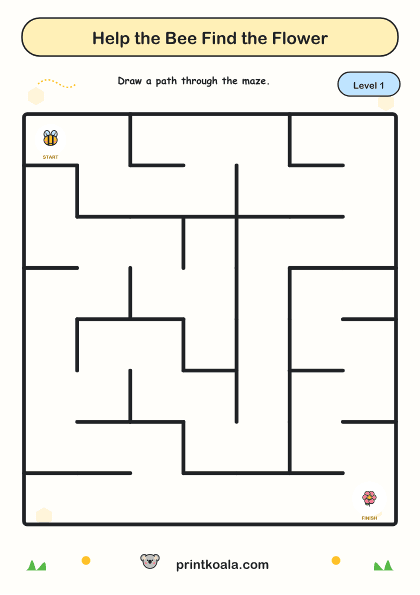
Four is when letter and number formation genuinely begins. These pages introduce dotted-line tracing for uppercase letters and numerals, simple mazes for pencil control, and early counting to ten. A tripod pencil grip is emerging around now, so shorter pencils and crayons actually help.
Children vary enormously at this age and these are averages, not targets. If a sheet is frustrating, try one from Age 3 instead.
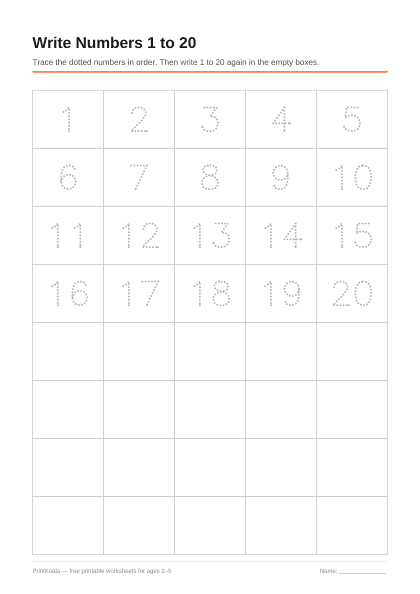
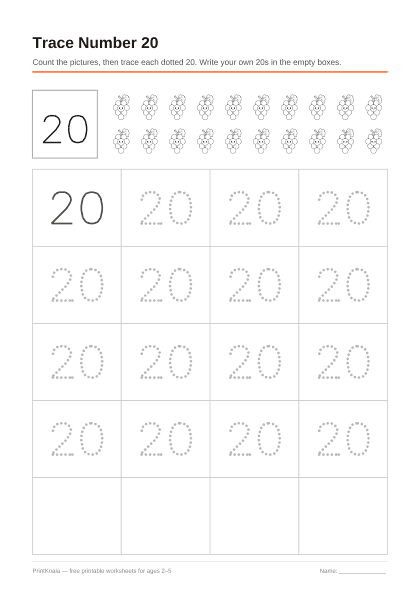
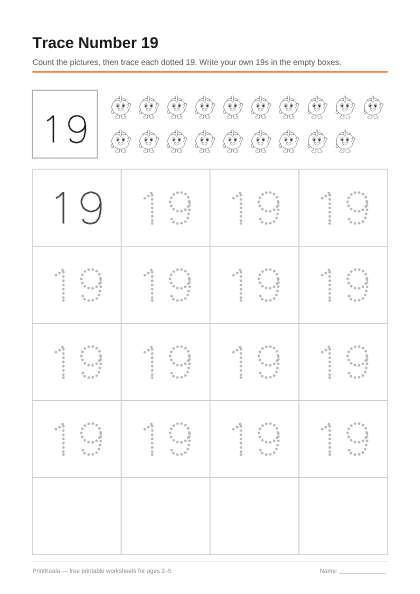
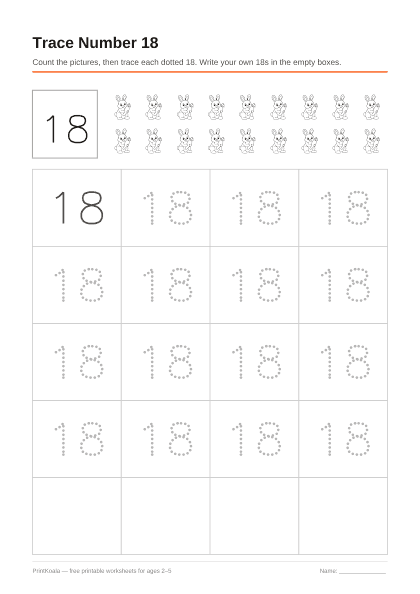
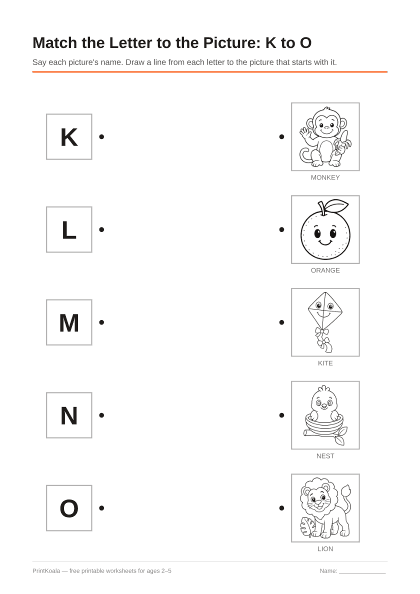
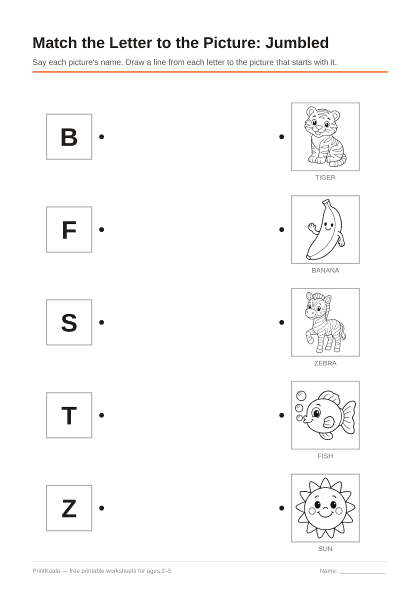
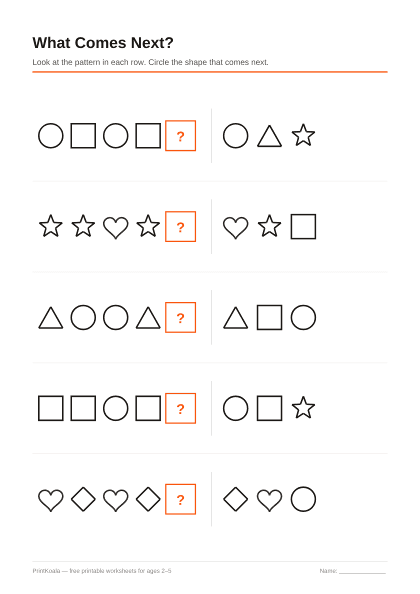
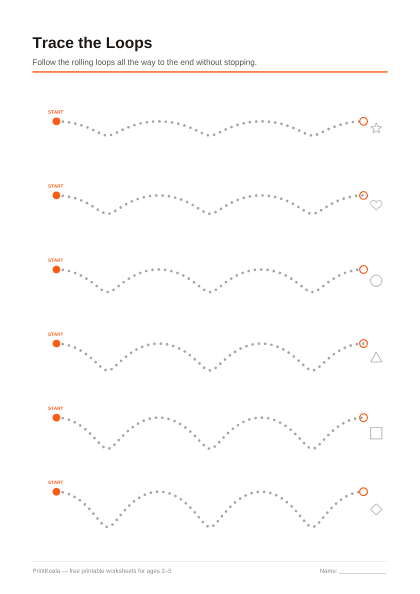

Every capital letter is built from straight lines and simple curves. E is four straight lines. T is two. O is a circle. Those are exactly the strokes a four year old has spent the previous year learning to control, which is why capitals are where letter formation starts — not because they are more important, but because they are physically achievable.
Lowercase letters need loops, tails that drop below the line, and the ability to change direction inside a single stroke. Most of that belongs to five. Starting a four year old on lowercase b and d is asking for the reversal problem to arrive a year early and with more frustration attached.
The one exception worth making is a child's own name, which is worth learning in its proper form — capital first letter, lowercase rest — simply because that is how they will write it for the rest of their life and unlearning an all-capitals version later is a nuisance.
The mature grip — thumb and index finger pinching, middle finger supporting underneath — usually appears somewhere in this year. It is worth having because it lets the fingers do the work instead of the whole arm, which is what makes sustained writing possible without the hand aching.
The way to encourage it is environmental rather than instructional. Short pencils and crayon stubs make a fist grip physically awkward. Drawing on a vertical surface — paper taped to a wall or an easel — puts the wrist in exactly the right extended position and does more in a week than correcting a grip does in a month. Small manipulative play helps too: threading beads, tearing paper, using tweezers to move pompoms.
If a child is still using a whole-hand grip at five and a half, that is worth mentioning to a teacher or health visitor. At four, it is common and usually resolves.
Four and five year olds write b for d, reverse their s, and produce a backwards N with complete confidence. This is close to universal and it is not a warning sign. The brain spent four years learning that a chair is a chair whichever way it faces, and letters are the first thing a child meets where orientation changes the meaning entirely. That is a genuinely hard rule to absorb.
Reversals typically resolve on their own by around seven. Before then, the useful response is to model the correct form without making a moment of it — write it correctly next to theirs and move on — rather than to erase, correct or drill.
What does help is consistent starting points. Most reversals come from starting the letter in the wrong place, so a sheet with a dot marking where the pencil goes down is doing more than it appears to.
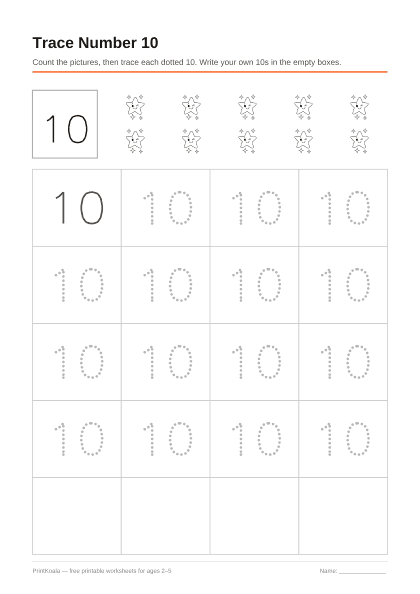
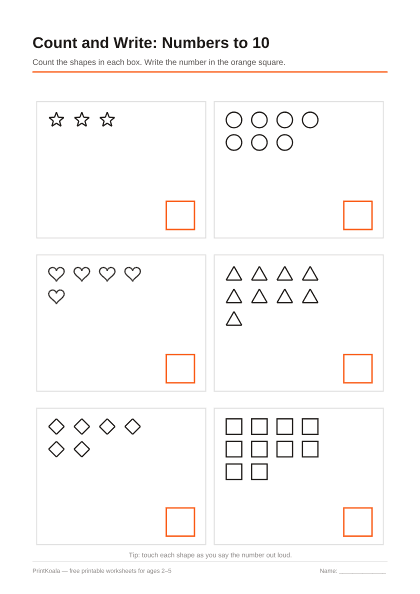
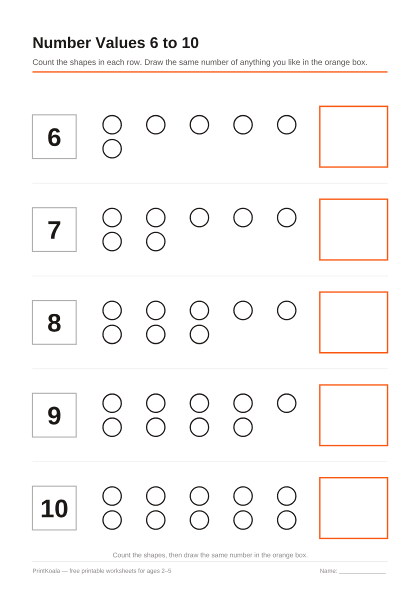
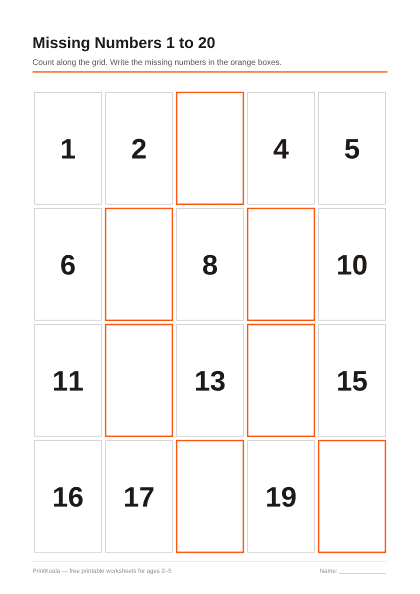
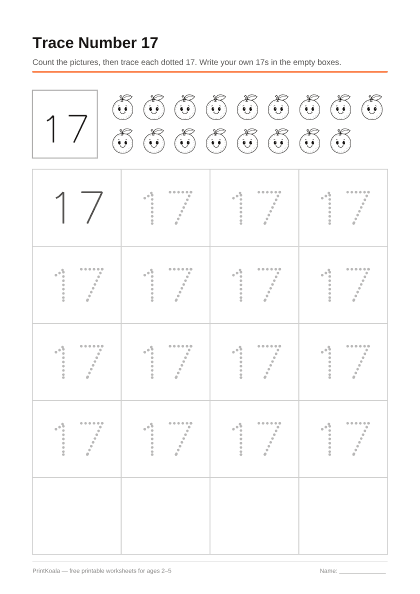
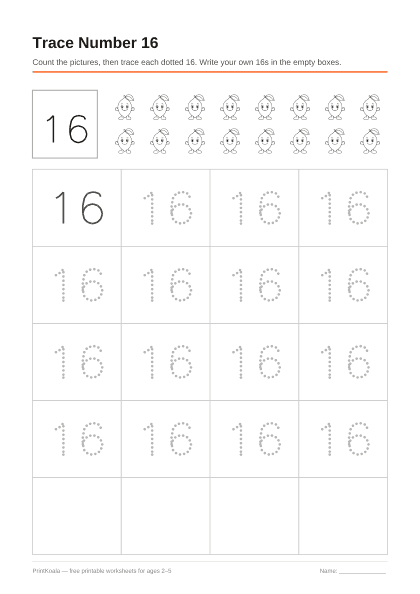
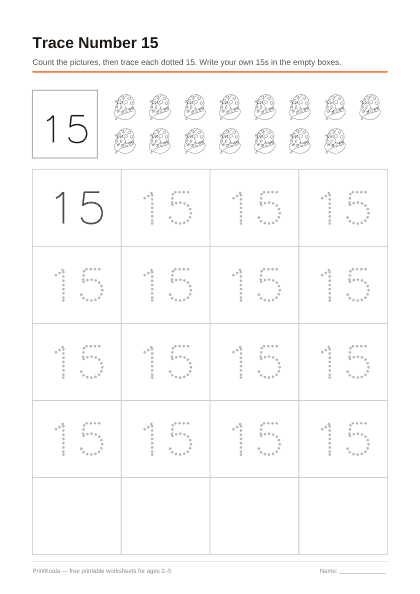
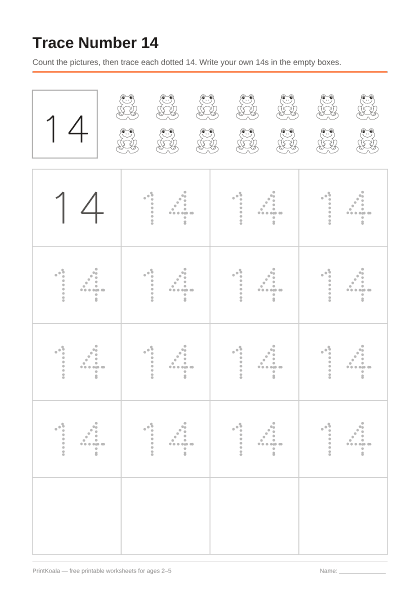
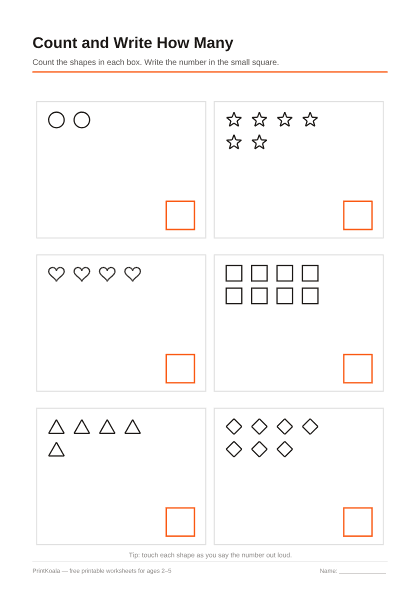
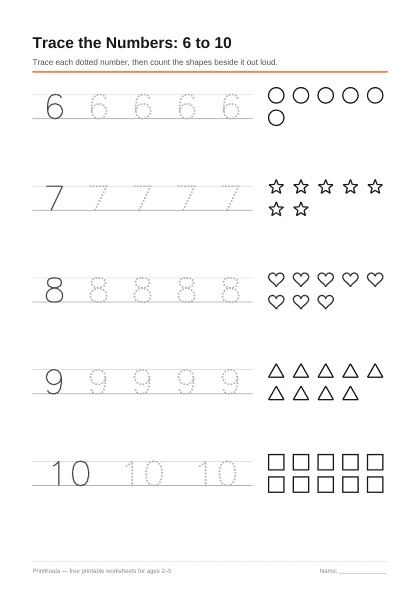
By four, counting a set of ten objects accurately is a reasonable expectation, and with it comes the beginning of understanding that the numeral 7 means a quantity rather than being a squiggle that comes after 6. Sheets that ask a child to count a group and then circle or write the matching numeral are doing the useful half of this.
Two things usually arrive alongside it. One is subitising — recognising three or four objects instantly without counting them, which is why dice patterns are worth using. The other is the beginning of comparison: more, fewer, the same. Both matter more for later maths than being able to recite to twenty does.
Writing numerals is genuinely hard, harder than most letters, because several of them change direction mid-stroke. Expect 2, 5 and 7 to take longer than the rest.
Children vary enormously and the boundaries here are soft. If these sheets are too easy or too hard, the neighbouring pages are the place to look.